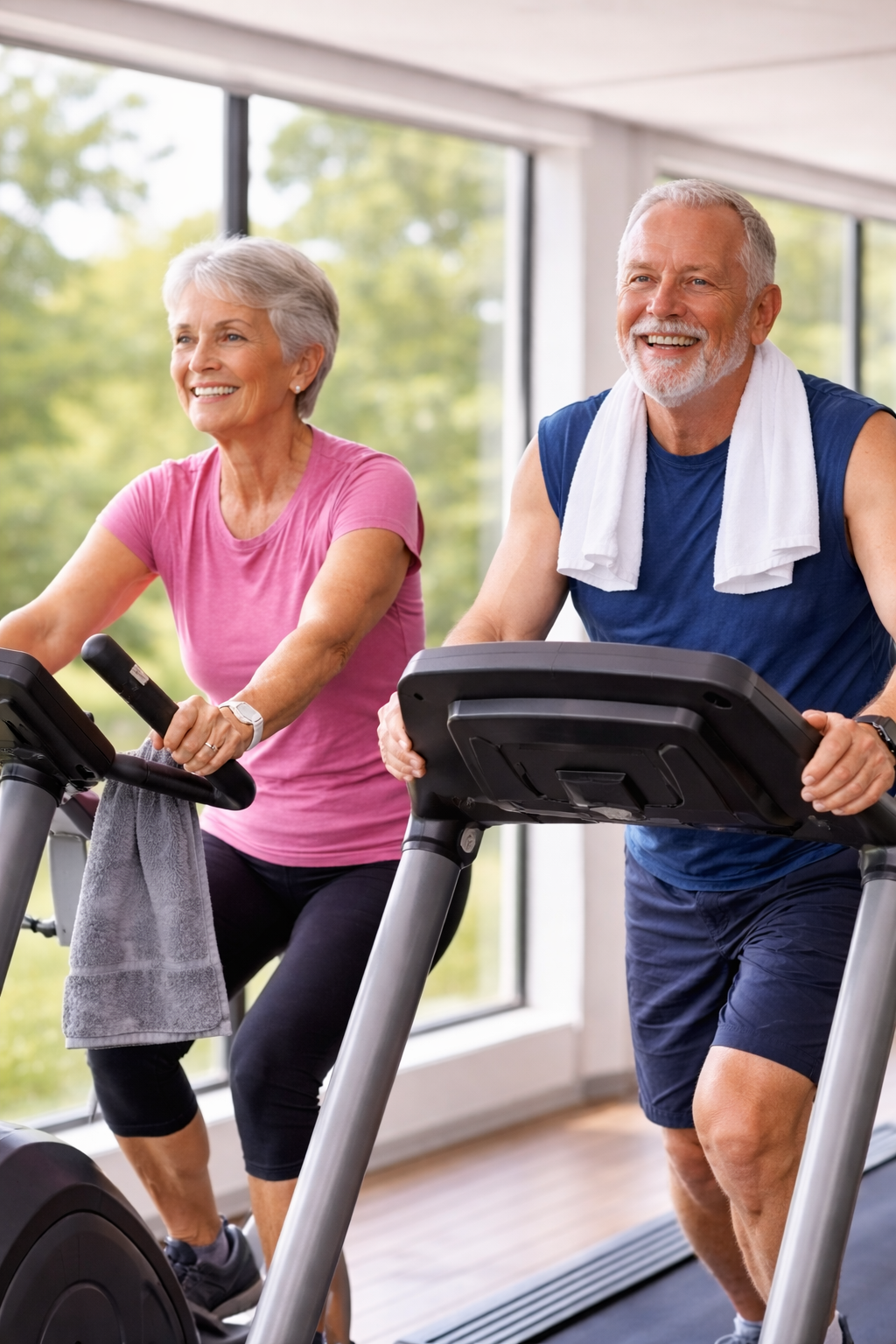
Breathe Easier, Sleep Deeper: The Power of Cardio for Sleep Apnea
Incorporating aerobic exercise into your routine can significantly improve sleep apnea symptoms by aiding weight management, enhancing lung capacity, and promoting better sleep quality.
- Weight Management: Regular aerobic exercise helps reduce excess weight, particularly around the neck and throat, which can narrow the airway and worsen sleep apnea symptoms. Studies show that even a modest weight loss can lead to a significant decrease in the severity of sleep apnea.
- Improved Breathing: Aerobic activities such as walking, jogging, cycling, and swimming strengthen the respiratory muscles, making breathing more efficient. This can help reduce the frequency and severity of apnea episodes during sleep.
- Enhanced Sleep Quality: Engaging in regular physical activity can increase the amount of time spent in deep sleep stages, such as REM and slow-wave sleep, which are crucial for restorative rest. This leads to better overall sleep quality and fewer nighttime awakenings.
- Stronger Cardiovascular Health: Aerobic exercise strengthens the heart and improves circulation, which is particularly beneficial for individuals with sleep apnea, as the condition can strain the cardiovascular system.
- Reduced Inflammation: Regular physical activity can lower inflammation levels in the body, which may help alleviate some of the airway swelling associated with sleep apnea.
Recommended Aerobic Exercises
- Walking or Jogging: Simple and effective for improving cardiovascular health and aiding weight loss.
- Cycling: Great for building endurance and lung function while being low-impact on the joints.
- Swimming: Strengthens breathing muscles and promotes relaxation, making it an excellent choice for those with sleep apnea.
- Dancing or Group Classes: Fun ways to stay active while also providing social interaction, which can enhance motivation.
Additional Tips
- Aim for at least 150 minutes of moderate aerobic activity each week, as recommended by health authorities.
- Combine aerobic exercises with strength training to improve muscle tone, particularly in the upper airway, which can help keep the airway open during sleep.
- Incorporate breathing exercises or yoga into your routine to further enhance respiratory control and reduce stress, which can negatively impact sleep quality.
In conclusion, integrating aerobic exercise into your lifestyle can be a powerful strategy for managing sleep apnea. Always consult with a healthcare professional before starting any new exercise regimen, especially if you have existing health conditions. By making exercise a regular part of your routine, you can improve your overall health and potentially reduce the severity of sleep apnea symptoms.
Cleveland Clinic
Research indicates that exercise, including weight lifting and resistance training, can significantly improve Obstructive Sleep Apnea (OSA) severity and reduce daytime fatigue, even independently of weight loss. Studies show that strength training can improve whole-body muscle tone, potentially reducing airway collapsibility and improving sleep quality.
National Institutes of Health (.gov) +2
Key findings related to exercise/weight lifting for sleep apnea:
- Reduced Severity: A 12-week regimen of combined resistance and aerobic training can reduce the Apnea-Hypopnea Index (AHI)—a measure of OSA severity—and improve sleep quality.
- Effect in Older Adults: Resistance training is particularly useful for older adults (over 70) to manage OSA by combating age-related motor unit loss, potentially strengthening muscles that prevent airway collapse.
- Mechanism: While weight loss (often achieved through exercise) helps lower AHI, research indicates that exercise training can reduce OSA severity even with minimal weight changes by reducing fluid accumulation in the neck.
- Safety: Weight lifting is considered safe for those with sleep apnea, though proper form and consultation with a doctor are recommended.
- Supplement to Treatment: Exercise should not replace CPAP therapy, which is the gold standard for treatment, but serves as a highly effective adjunctive therapy.